Carpentry
This playbook is your go-to resource for understanding the coverage needs of carpentry contractors — from tool and job site risks to protections for framing, finishing, and structural work.
The following playbook is intended to provide guidance on Merchants’ appetite and most desired risk characteristics. Your Merchants team is available to speak about the entirety of a risk that may have characteristics not exactly fitting our desirability.
We also encourage you to refer to Merchants Appetite Guide under the Resources/Tools menu of the Commercial Gateway in Merchants agent portal website for class-specific eligibility.
Description of Operations
Carpenters may perform interior work only, exterior work only, or both. Interior carpentry includes the installation of doors, floors, windows, countertops, cabinets, hardwood or parquet flooring, trim and incidental shop work. Exterior carpentry applies to rough carpentry work including, but not limited to framing, subflooring, outside walls, and trusses including the construction of decks and private garages in connection with such residential property. Finish work involves hanging doors, installing baseboards and molding around doors, ceilings, and windows, and making or installing cabinets, shelving or other built-ins.
Merchants Appetite
The following risk characteristics are intended to provide guidance on Merchants’ appetite. Your Merchants team is available to speak about the entirety of a risk that may have characteristics not exactly fitting our desirability. Refer to Merchants Appetite Guide under the Resources/Tools menu of the Commercial Gateway on merchantsgroup.com for class-specific eligibility.
Desirable Risks
- Small to large artisan contracting operations
- Revenues up to $6,000,000
- Favorable loss history
- Experience in current trade (new ventures are eligible)
- Subcontracted work at 40% or less with proper risk transfer in place
- Retail receipts at 50% or less
- Residential snow plowing (other than apartments and condos) of 1-4 family single structure dwellings
- Commercial snow plowing of single occupant commercial buildings (max 35 parking spaces)
Ineligible
- Commercial General Contractors
- Industrial, institutional or municipal work
- Underground work in excess of 12 feet
- Exterior work in excess of 4 stories above ground (3 stories in NY)
- Roofing operations (other than incidental work up to 35% of roof surface)
- Street, road, bridge, airport runway, racetrack, or garage parking deck construction or repair
- High voltage work performed on power lines in excess of 220 volts
- Plowing of high traffic areas (ex – strip plazas, shopping centers, big box stores, religious institutions, medical centers, apartment complexes)

Exposures
Understand the key risks contractors face in the field — and how each trade’s exposures can impact insurance coverage, potential claims, and safe day-to-day operations.
Automobile Exposure
Automobile exposures are generally limited to driving to and from clients’ premises. If the carpenter transports lumber and pre-made items, the exposure increases. Drivers must have valid licenses. MVRs must be run on a regular basis. Random drug and alcohol testing should be conducted. Vehicles must be well maintained with records kept in a central location. Hazards of transport include failure to secure the load properly and equipment failure, especially tie-downs and hitches. If oversized items are transported, vehicles must be clearly marked to alert other drivers.
Completed Operations Liability Exposure
Completed operations liability exposures are high if the carpenter erects the structural framework of a building due to the potential for collapse. Quality control and full compliance with all construction, material, and design specifications are necessary. Inadequate monitoring of work orders and change orders may be a concern as poor record-keeping may necessitate payment of otherwise questionable claims. Inspection and written acceptance of the work by the owner or general contractor is critical.
Crime Exposure
Crime exposures are from employee dishonesty, including theft of customers’ goods by the insured’s employee. Background checks, including criminal history, should be performed on all employees handling money. There must be a separation of duties between persons handling deposits and disbursements and reconciling bank statements.
Inland Marine Exposure
Inland marine exposures include contractors’ equipment for owned or rented tools and equipment, goods in transit, and an installation floater. Equipment at a jobsite can be damaged by drops from heights, weather damage, or being struck by vehicles. Equipment and supplies left at job sites are subject to theft and vandalism. Lumber or woodwork can be damaged during transport from shifting, improper loading or inadequate tie down. Oversized loads can be damaged by collision with stationary structures or other vehicles.
Personal Injury Exposure
Personal injury exposures include allegations of assault to the customers’ employees, discrimination, and invasion of privacy. Failure to run background checks and review references on employees increases hazard and reduces available defenses.
Premises Liability Exposure
Premises liability exposures at the carpenter’s shop or office are generally limited due to lack of public access. Fires or fumes from woodworking and/or lumber storage operations can spread to neighboring businesses or homes. Outdoor storage may create vandalism and attractive nuisance hazards. Off-site exposures are extensive due to hazards at the job site, which can result in bodily injury to the public or employees of other contractors, or damage to their property or completed work. The area of operation should be restricted by barriers and proper signage to protect the public from slips and falls over tools, power cords, building materials and scrap. The use of saws and other power or hand tools is inherently hazardous due to sharp edges and moving parts. In enclosed buildings, the buildup of dust and scraps can result in catastrophic fire and explosion. Disposal of waste materials (dust, scrap, varnishes or paints) could create environmental hazards. If the carpenter hires subcontractors, the liability exposure increases. Poorly written contracts can result in liability hazards not anticipated for this classification.
Property Exposure
Property exposures at the carpenter’s own location are usually limited to an office and storage of materials, equipment, and vehicles. Electrical wiring must be up to date and meet current codes for the occupancy. If the carpenter does shop woodworking, fire can result from the overheating or malfunction of equipment or the flammability of wood, paints, varnishes, and wood dust. There should be adequate ventilation and a dust collection system. Flammable varnishes and glues should be properly labeled, separated, and stored away from combustibles. Some carpenters store lumber in their yards, increasing the potential for fire, theft, and vandalism loss. Three-sided storage structures are highly susceptible to wind damage.
Workers Compensation Exposure
Workers compensation exposures vary based on the size and nature of the job. Work with hand tools and sharp objects such as saws, chisels and nails can result in cuts, piercings, and accidental amputation. Back injuries, hernias, strains, and sprains can result from lifting or working from awkward positions. Other injuries include slips and falls, foreign objects in the eye, hearing impairment from noise, and automobile accidents during transportation to and from job sites. Minor injuries may be frequent even when the severity exposure is controlled. When work is done on ladders and scaffolds, severe injury or death can result from falling, being struck by falling objects, or adverse weather conditions. The absence of good maintenance of scaffolds, proper use of basic safety equipment, such as properly installed guards, steel-toed shoes, and eye protection, and strict enforcement of safety practices may indicate a morale hazard. Employees must be carefully selected, trained and supervised. Occupational disease exposures can result from exposure to noise, dust, and chemicals, such as from pressure-treated lumber.
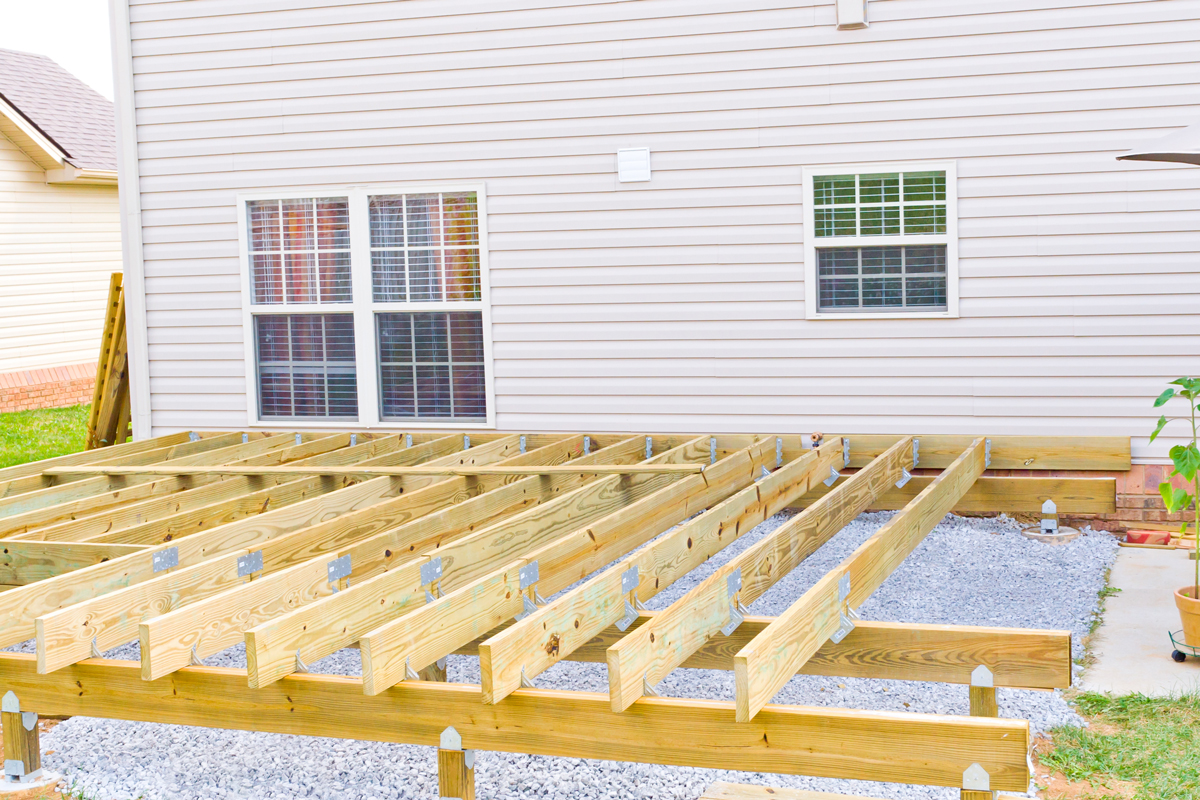
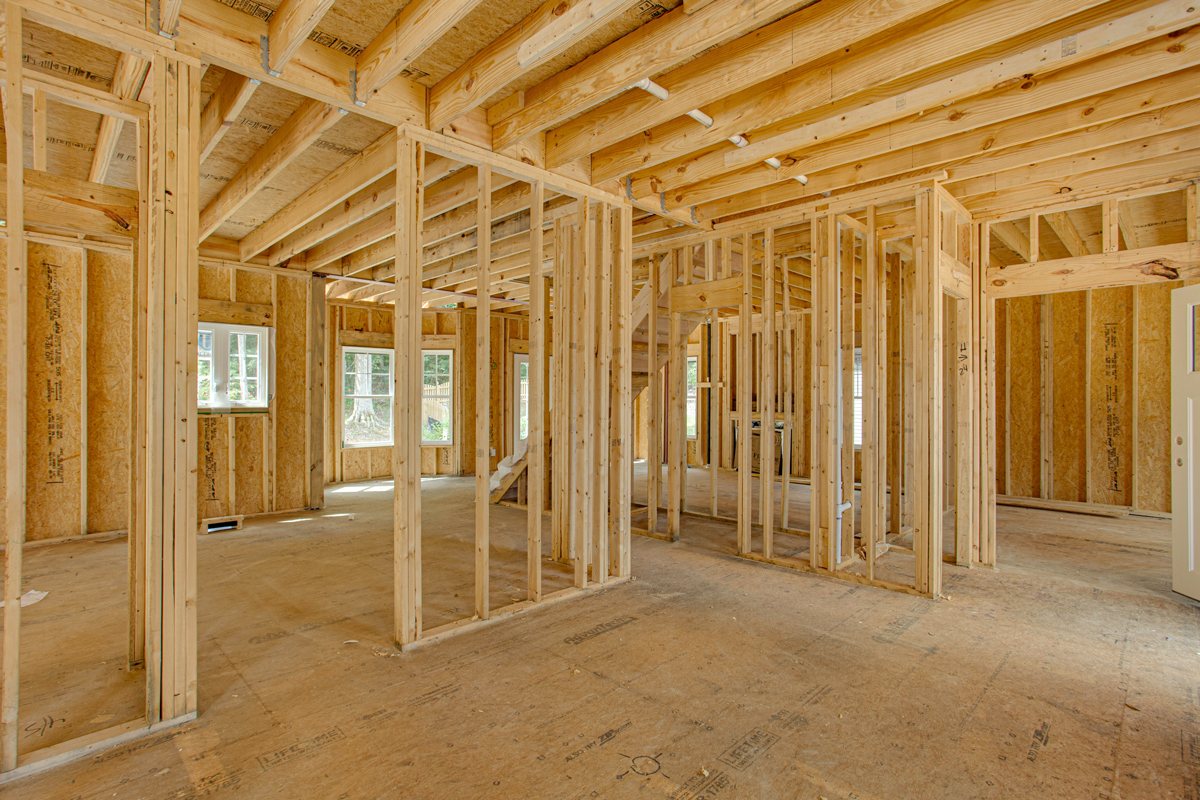
Risk-Smart Carpentry Contractors
Click each photo to see what makes it best-in-class — and how these features help minimize risk and reduce exposures on job sites and contractor-owned properties.

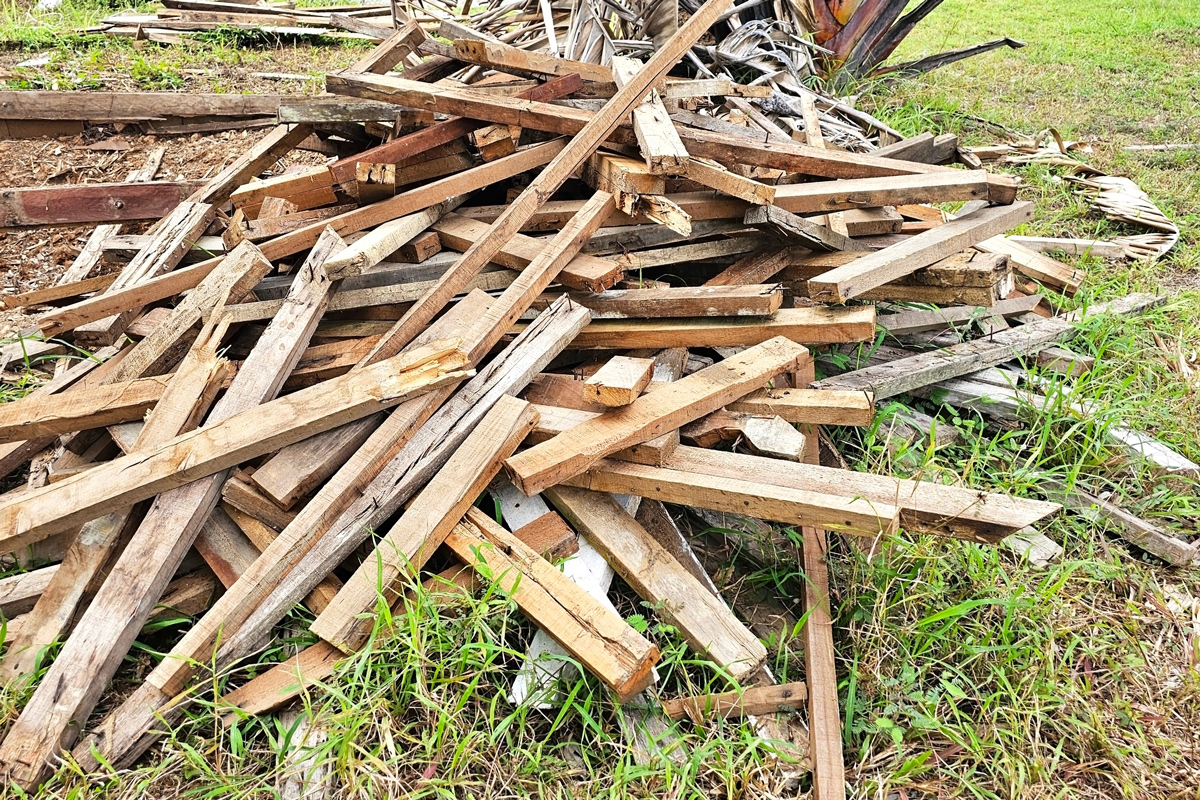
Red Flags in the Field
Click each photo to learn what’s not-so-great — and how these conditions can increase risk, raise exposures, or lead to costly claims on contractor job sites or properties.



Automatic Coverages
These built-in coverages come standard with our contractor policies, offering added protection for income, tools, equipment, property, and more — all at no additional cost.
Not all coverages may be available in all states and limits may vary by state. For specific details, please refer to the appropriate Merchants form, which can be found in the Company Forms Library on Merchants website.
Annual Aggregate Limit Per Location
This policy conditions amends the General Aggregate Limit to apply separately to each location owned by or rented to the insured.
Contractors Equipment – Employee Tools and Clothing
Under the Contractors Equipment form, coverage for employee tools and equipment are included for up to $5,000 per occurrence, but not more than $1,000 per employee. The occurrence limit may be increased. Coverage is subject to a $500 deductible.
Contractors Equipment – Fuel, Accessories and Spare Parts
Under the Contractors Equipment form, coverage for fuel, accessories and spare parts are included for up to $10,000 per occurrence. The limit may be increased and is subject to a $500 deductible.
Contractors Equipment – Trailers and Contents
Under the Contractors Equipment form, coverage for loss or damage to owned, leased or rented office and construction trailers and their contents that is caused by or resulting from a covered cause of loss is included for up to $25,000. This additional coverage does not include coverage for contractors tools. The trailer and contents limit can be increased and is subject to a $500 deductible.
Damage to Premises Rented to You (Fire Legal Liability)
Business Liability coverage for damage because of property damage to a premises while rented to the insured or temporarily occupied by the insured with permission of the owner is provided at a limit of $500,000 unless a higher limit of insurance is shown in the policy declarations.
Employment Practices Liability
Provides coverage on a claims made basis for injuries to employees due to demotion, wrongful termination, wrongful denial of opportunities, including wrongful hiring and supervision, retaliatory actions, coercion, harassment and other types of work-related discrimination, libel, humiliation and similar acts.
Equipment Leased or Rented from Others
Coverage for contractors equipment the insured owns but leases or rents from others for which the insured is legally liable in a written agreement is covered if damaged by a covered cause of loss. The limit for this extension is $50,000. A $500 deductible applies. Higher limits are available.
Installation Coverage
Coverage for direct physical loss or damage by a covered cause of loss applies to fixtures, supplies, materials and equipment that are on the jobsite, in storage or in transit in order to be installed. The following limits apply:
- Property at jobsite $10,000
- Property at temporary storage location $5,000
- Property in transit $5,000
- All covered property included above combined in any one occurrence is $20,000
Primary & Non-Contributory - Other Insurance Condition
This insurance is primary and will not seek contribution form any other insurance available to an additional insured under the policy provided that the additional insured is a Named Insured under such other insurance and the insured has agreed in writing in a contract or agreement that this insurance would be primary and would not seek contribution from any other insurance available to the additional insured.
Rental Reimbursement
Under the Contractors Equipment form, coverage for actual rental expenses for renting equipment are included for up to $10,000 per occurrence, but not more than $500 per day. A 72 hour waiting period applies. The per occurrence limit can be increased.
Unscheduled Tools and Equipment
Coverage for direct physical loss, caused by a covered cause of loss, to contractors unscheduled tools and equipment owned by the insured or in the insured’s care, custody or control is provided at a limit of $3,000. A $500 deductible applies. Higher limits are available.
Voluntary Property Damage
Voluntary Property Damage coverage is provided for unintentional property damage to the property of others caused by the insured or while the property is in the insured’s possession and the damage is arising out of the operations described in the policy. The coverage limit is $10,000 per occurrence/$25,000 aggregate with a $500 per claim deductible.
Waiver of Subrogation
Waiver of rights of recovery is waived against any person or organization, when the insured has agreed in writing in a contract, agreement or permit that was executed prior to the bodily injury, property damage, or personal injury and advertising injury.
Helpful Resources
Navigate to “Merchants On-Demand” from the homepage of your Merchants agent portal website to access flyers for your reference, as well as flyers you can distribute to clients.