Pet Care
This playbook is your go-to resource for understanding the coverage needs of pet care providers — from animal handling and facility risks to protections for veterinary services, grooming, training, and boarding operations.
The following playbook is intended to provide guidance on Merchants’ appetite and most desired risk characteristics. Your Merchants team is available to speak about the entirety of a risk that may have characteristics not exactly fitting our desirability.
We also encourage you to refer to Merchants Appetite Guide under the Resources/Tools menu of the Commercial Gateway in Merchants agent portal website for class-specific eligibility.
Description of Operations
Pet care involves looking after an animal’s physical, emotional, and social well-being. This is accomplished with activities such as grooming, veterinarian care, and obedience training. Pet stores are retailers that sell animals, pet food, and supplies, such as toys, leashes, and cages. They can be general stores offering a wide variety of products for common pets or specialty stores focusing on a specific type of animal.
Merchants Appetite
The following risk characteristics are intended to provide guidance on Merchants’ appetite. Your Merchants team is available to speak about the entirety of a risk that may have characteristics not exactly fitting our desirability. Refer to Merchants Appetite Guide under the Resources/Tools menu of the Commercial Gateway on merchantsgroup.com for class-specific eligibility.
Desirable Risks
- In business and under current ownership / management for 3 years or more
- Year-round operations
Ineligible
- Sales of directly imported goods

Exposures
Understand the key risks service providers face — and how each business type’s exposures can impact insurance coverage, potential claims, and safe daily operations.
Automobile Exposure
Automobile exposures may be limited to hired and non-owned for employees running errands. If the printer picks up its own supplies or delivers end products to customers, the exposure increases. If vehicles are provided to employees to take home, there must be a written policy regarding personal and permissive use. All drivers must have appropriate licenses and acceptable MVRs that are checked regularly. Drivers must be trained for the deliveries and vehicles they are handling. Vehicles should be maintained with records kept at a central location.
Crime Exposure
Crime exposure is from employee dishonesty, and money and securities. Hazards increase without proper background checks and monitoring procedures. Ordering, billing and disbursements should be handled as separate duties and audits should be conducted on a regular basis. There have been theft problems with the drug PCP as well as other pharmaceuticals. Animal anesthetic must be kept under careful control and limited amounts should be kept on premises. Money should be deposited on a regular basis.
Inland Marine Exposure
Inland marine exposure is from accounts receivable, bailees customers, computers, owned medical equipment, and valuable papers and records. A veterinarian will often take equipment and tools to off-site locations to perform surgeries or other types of treatments. The bailees exposure comes from animals left in the veterinarian’s care for boarding or treatment. Coverage is necessary for those animals as loss due to fire, windstorm, theft or other physical causes of loss would not be covered under the professional liability policy. Duplicates of all records should be made and kept off site.
Premises Liability Exposure
Premises liability exposure can be high if customers visit the premises. The customer waiting area must be kept clean of animal waste and loose animals in order to prevent slips and falls. Leashes and carriers should be required to protect the other customers and animals. Known problem animals should be given special hours to restrict them from interacting with other animals in the waiting area.
Off-premises exposures include visits to clients’ premises. The veterinarian’s equipment should not be placed in a way that poses a tripping hazard to others.
Professional Liability Exposure
Professional liability exposures are significant, particularly for veterinarians who specialize in farm animals, as a mistake in diagnosis can result in loss of an entire group of animals. Veterinarians should be well trained, experienced, and properly licensed. Employees must carry out only the procedures they are licensed to handle. Interns must be carefully supervised. The primary professional exposure is the failure to correctly diagnose and treat diseases and injuries. A complete medical history should be obtained for each animal patient, and changes in health noted. The problem is compounded for vets specializing in high-value animals, such as race horses or zoo animals. A fairly new development for veterinarians is the prospect of mental anguish claims from owners upset with the outcome or manner of care.
Property Exposure
Property exposure depends on the operations. For large animal vets there is very little office exposure as the veterinarian performs most services at clients’ locations. On premises storage is limited to equipment, medicine and paperwork. Small animal veterinarians and surgical clinics may use flammable anesthetic gases. Cleaning equipment necessary to maintain a sterile environment can be susceptible to fire, smoke and water damage. If grooming and kenneling take place, exposures increase. Damage to property due to animal escape is a concern. Crematories or incinerators on premises pose additional fire hazards due to the high temperatures required to cremate animals or burn body parts. Fuels used for crematory ovens include liquid petroleum, natural gas, or home heating oil. These must be stored in approved containers.
Workers Compensation Exposure
Workers compensation exposure is high due to the unpredictability of even the most domesticated animal. An injured animal may cause major injury to a person by biting, scratching, kicking, or other attack. All employees must be trained in appropriate restraint techniques. Problem animals should be clearly identified so that appropriate precautions can be taken. Owners should be required to assist as needed. Lifting injuries are common, resulting in back strains or sprains. Animals also present a communicable disease exposure. Employees should wear gloves and masks to prevent contamination from bodily fluids, particularly blood.
Risk-Smart Pet Care Service Businesses
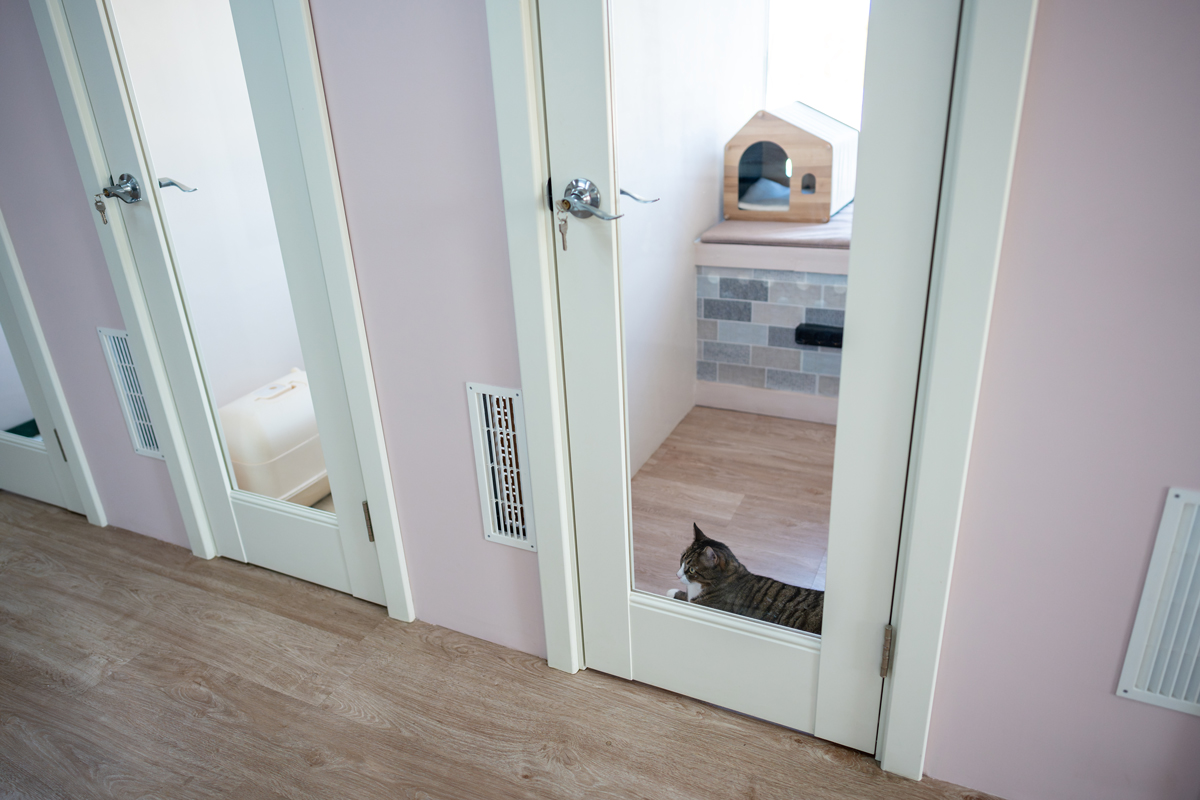
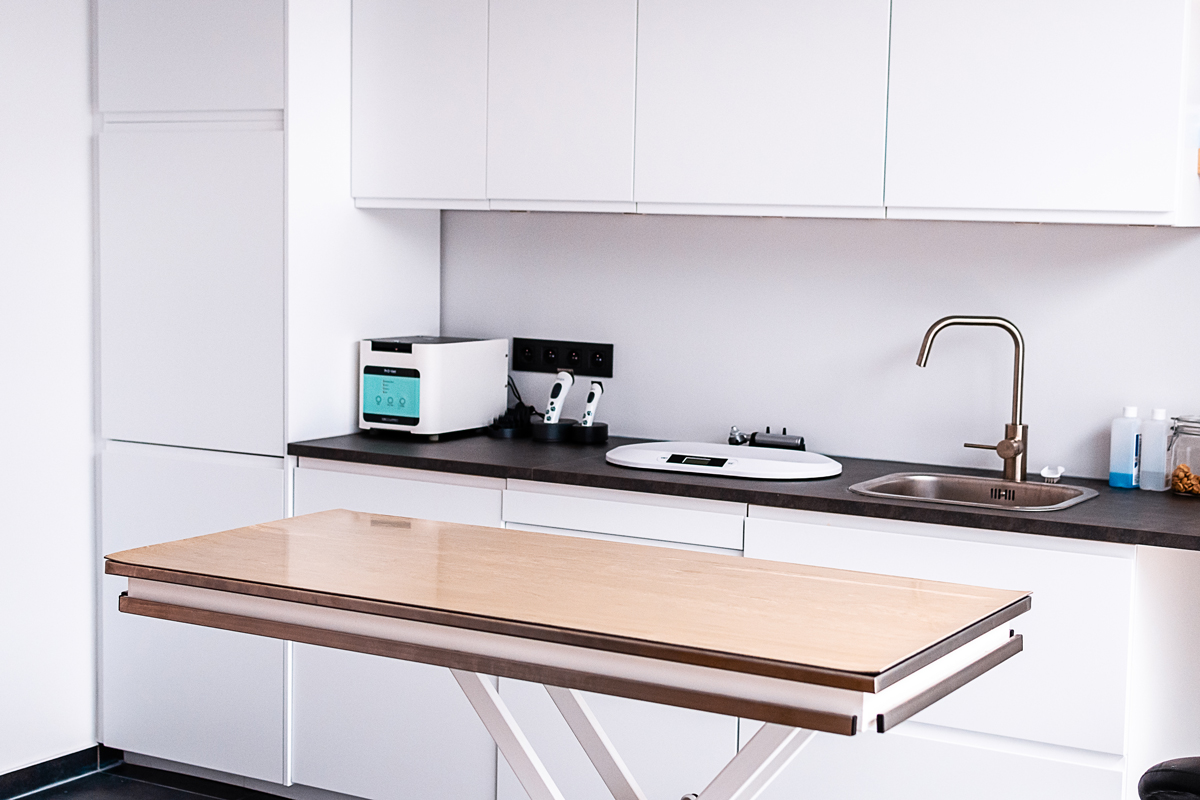
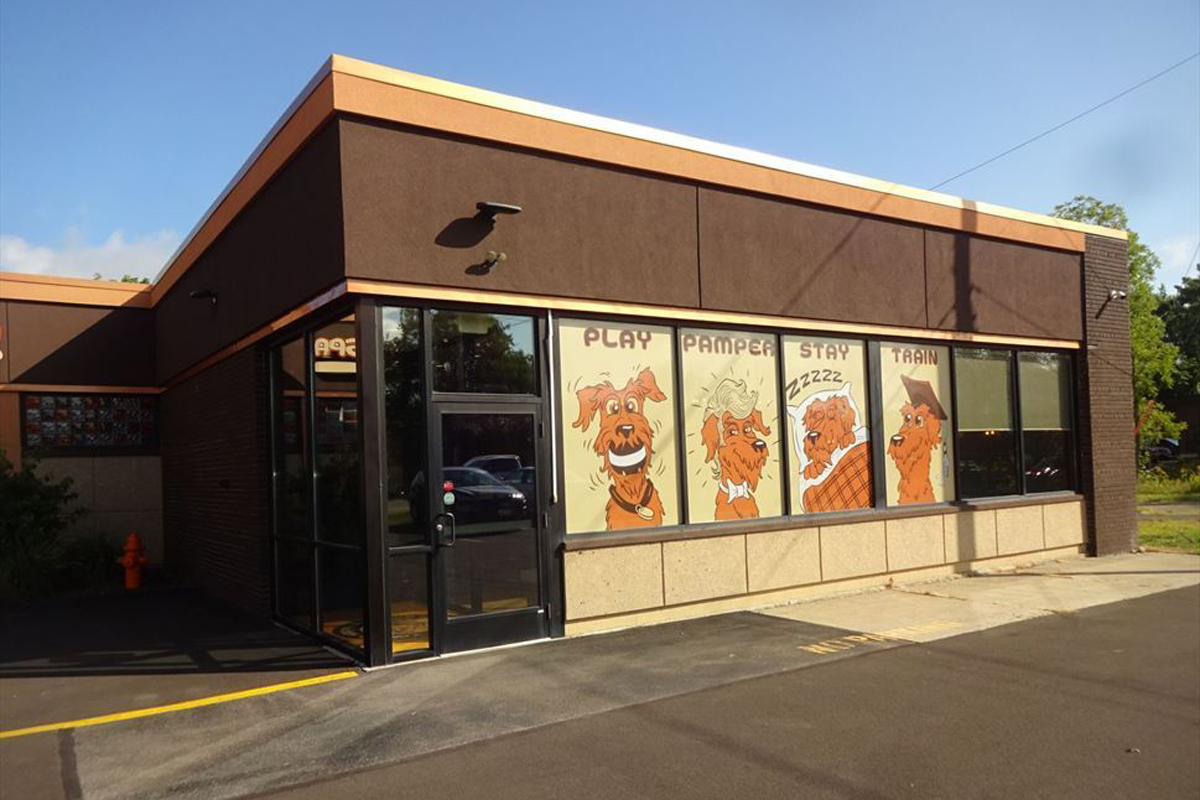
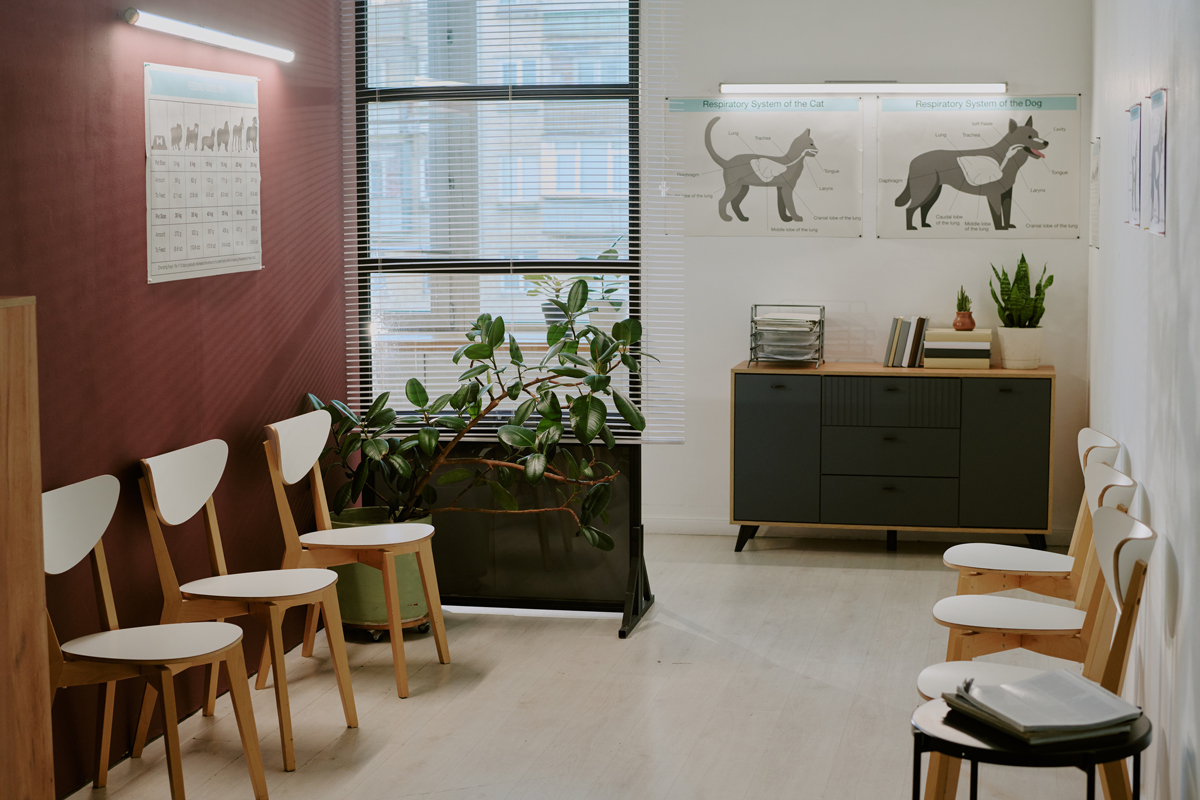
Click each photo to see what makes it best-in-class — and how these features help minimize risk and reduce exposures in service-based environments.
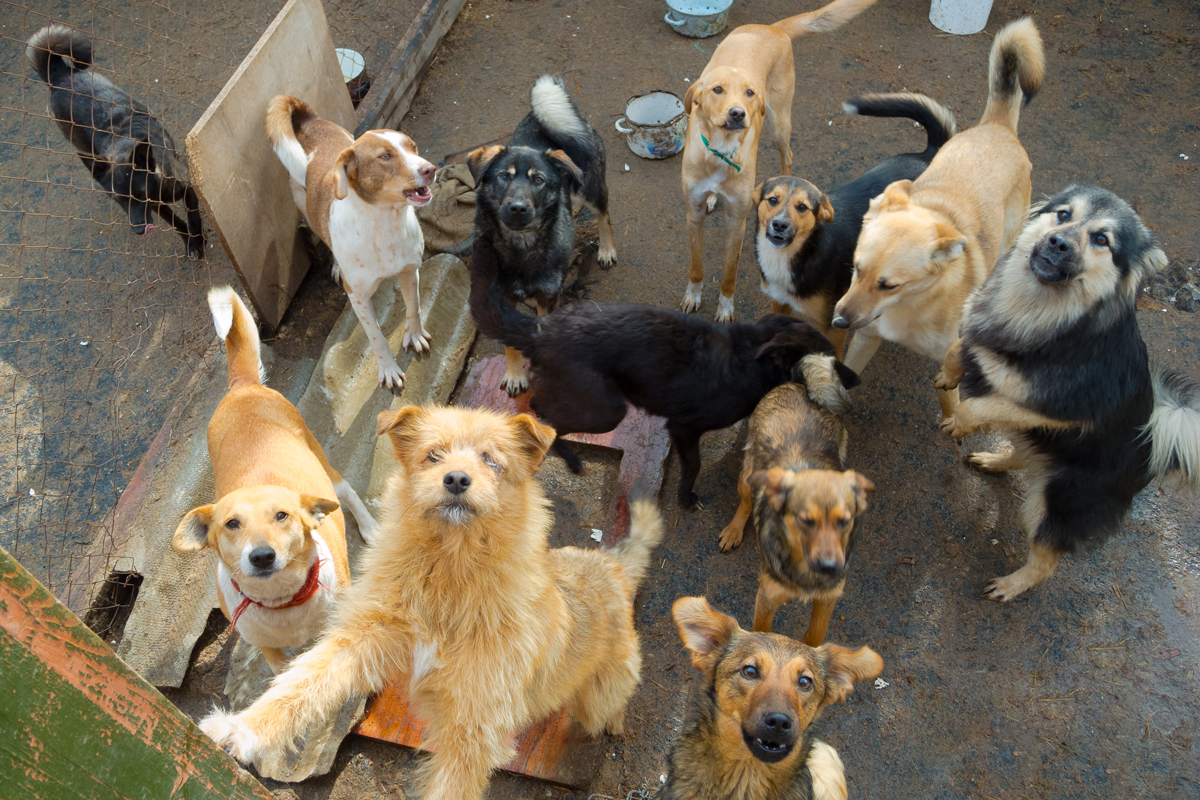
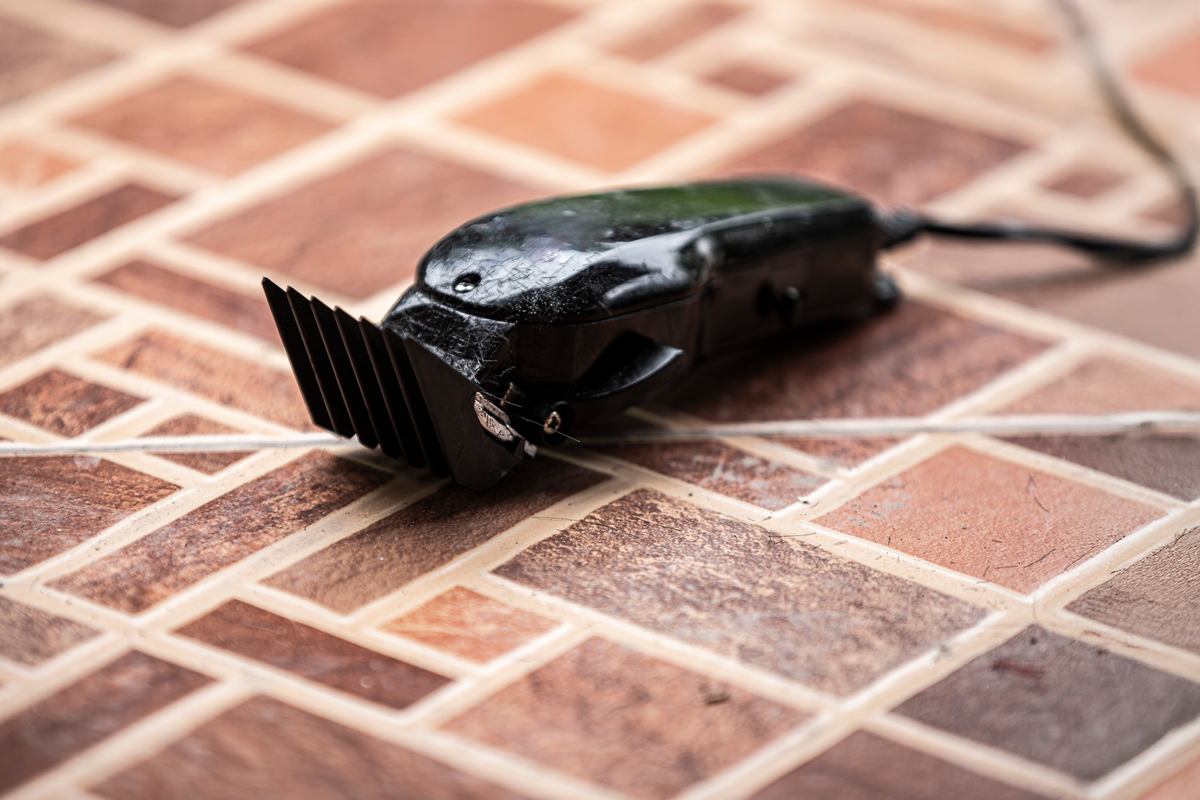
Red Flags in the Field
Click each photo to learn what’s not-so-great — and how these conditions can increase risk, raise exposures, or lead to costly claims in service businesses.

Automatic Coverages
These built-in coverages come standard with our retail and service business policies, offering added protection for income, equipment, property, and more — all at no additional cost.
Not all coverages may be available in all states and limits may vary by state. For specific details, please refer to the appropriate Merchants form, which can be found in the Company Forms Library on Merchants website.
Accounts Receivable
Coverage for accounts receivable is provided at a limit of $25,000 on premises and $10,000 off premises. The on premises limit may be increased. This coverage is subject to the property deductible in the policy. This coverage protects against loss resulting from an inability to collect accounts receivable due to loss, damage, or destruction of books or records of accounts. The on premises limit may be increased.
Additional Insured by Contract, Agreement or Permit
Provides coverage to any person or organization when the named insured has agreed in a contract or agreement to name that person or organization as an insured on their policy. Automatically included on a blanket basis. Various other optional additional insured endorsements are available on a scheduled or blanket basis.
Annual Aggregate Limit Per Location
This policy conditions amends the General Aggregate Limit to apply separately to each location owned by or rented to the insured.
Damage to Premises Rented to You (Fire Legal Liability)
Business Liability coverage for damage because of property damage to a premises while rented to the insured or temporarily occupied by the insured with permission of the owner is provided at a limit of $300,000 unless a higher limit of insurance is shown in the policy declarations.
Debris Removal
Coverage applies for expense to remove debris of covered property and other debris that is on the described premises, when such debris is caused by or results from a covered cause of loss that occurs during the policy period. The expenses are only paid if they are reported within 180 days of the loss or damage. The coverage limit is 25% of the direct physical loss plus $25,000.
Employee Dishonesty
Coverage is included for loss or damage to Business Personal Property and Money and Securities resulting from dishonest acts committed by any of the insured’s employee. Coverage limit is $25,000 subject to a $250 deductible. Higher limits may be purchased.
Forgery or Alteration
$10,000 Provides coverage when someone other than the employee or owner forges a signature on a check or other monetary instrument in order to obtain money that belongs to the insured. Forgery by an employee is covered in the Employee Dishonesty coverage. Higher limits are available.
Identity Recovery
In the event of a covered identify theft, coverage for case management service and expense reimbursement up to an annual aggregate limit of $15,000 is provided. The identity theft must involve a insured under the policy, must be first discovered during the policy period and must be reported within 60 days after it is first discovered.
Lock & Key Replacement
Coverage applies for the cost to repair or replace locks or keys at the described premises due to theft of keys from your premises. The limit for this coverage is $500 subject to a per occurrence deductible of $50.A limit of $500 applies to customers keys.
Money & Securities
Coverage for money, securities and credit card slips is included at a limit of $25,000 inside the premises and $5,000 outside the premises subject to a $250 deductible. Higher limits may be purchased. The loss of money and securities must result directly from theft, disappearance or destruction. Additional limits for inside the premises coverage are available.
Newly Acquired or Constructed Property
If the policy covers a building, that coverage can be extended to apply to new buildings while being built on the described premises and buildings the insured acquires at a premises other than the described premises that are intended for a similar use as the building described in the policy or to be used as a warehouse. If the policy covers business personal property that coverage may be extended to such property the insured acquires at any location acquired or at a newly constructed building. This extension does not apply to personal property temporarily acquired in the course of installing or performing work on such property. Limit provided is $500,000 for building and $250,000 for business personal property.
Pollutant Clean Up and Removal
Coverage is provided to pay the insured’s expense to extract pollutants from land or water at the described premises if the discharge, dispersal, seepage, migration, release or escape of the pollutants is caused by or results from a Covered Cause of Loss that occurs during the policy period. The expenses will only be paid if they are reported in writing within 180 days from the date on which the loss occurs. The most that will be paid is $25,000 for all expenses arising out of a loss occurring during each separate 12 month period of the policy.
Utility Service - Direct Damage & Time Element
Coverage is provided for loss or damage to covered property caused by the interruption of service to the described premises. The interruption of utility services must result from direct physical loss or damage by a covered cause of loss to the insured property. Utility services include water supply, communication supply and power supply. The limit for direct damage is $25,000 and $25,000 for loss of business income or extra expense. Higher limits are available.
Valuable Papers
Coverage applies to direct physical loss o damage to valuable papers and records owned by the insured or that are in the insured’s care, custody or control caused by or resulting from a covered cause of loss. This coverage includes the cost to research, replace or restore the lost information on valuable papers and records for which duplicates do not exist. The limit for this coverage is $25,000 on premises and $10,000 off premises. The on premises limit may be increased.
Voluntary Property Damage
Voluntary Property Damage coverage is provided for unintentional property damage to the property of others caused by the insured or while the property is in the insured’s possession and the damage is arising out of the operations described in the policy. The coverage limit is $5,000 per occurrence/$25,000 aggregate with a $500 per claim deductible.
Water Back-Up and Sump Overflow
Coverage is provided for direct damage or loss to covered property caused by or resulting from water which backs up through or overflows from a sump, sump pump or related equipment. The cost of repairing or replacing the sump pump or its related equipment is not covered if the loss is caused by a mechanical breakdown. Coverage does not apply if the insured fails to keep a sump pump in proper working condition or fails to perform routine maintenance or repair necessary to keep a sewer or drain free of obstructions or the sump pump failure is caused by or results from failure of power unless the policy is amended to cover power failure. A limit of $25,000 applies.
Helpful Resources
Navigate to “Merchants On-Demand” from the homepage of your Merchants agent portal website to access flyers for your reference, as well as flyers you can distribute to clients.