
Lithium-Ion Battery Safety
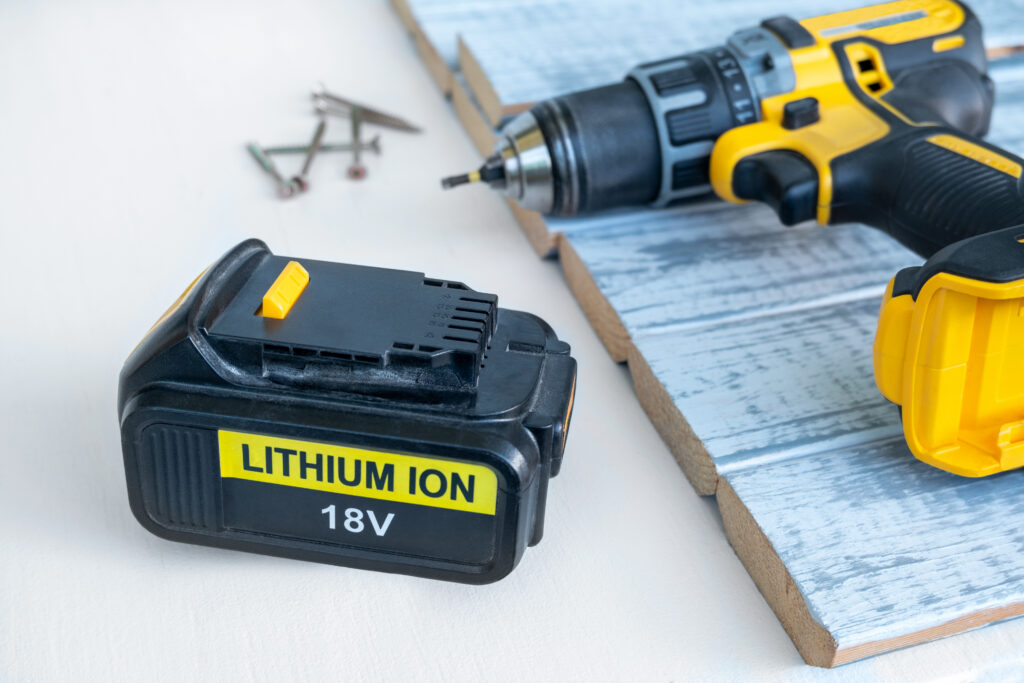
Lithium-ion batteries power many of the devices and tools we use every day, such as laptops, phones, and even power tools! While these batteries are typically efficient and reliable, they can also pose a serious hazard if they’re damaged, improperly charged, or exposed to excessive heat.
Thermal runaway occurs when a battery overheats, generating heat faster than it can cool itself. Once one battery cell fails, the heat can spread to nearby cells, causing a chain reaction throughout the battery pack, which can potentially lead to a hazard such as a fire or even an explosion.
What Can Cause Thermal Runaway?
Electrical Misuse
Some examples of electrical misuse include:
- Using the wrong charger
- Overcharging or improper charging
- Damaging the battery through incorrect use
Excessive Heat
Some examples of ways excessive heat can cause thermal runaway include:
- Storing or using batteries outside the manufacturer’s recommended temperature range
- Leaving batteries in hot vehicles, direct sunlight, attics, or other overheated areas
- Exposure to another battery fire
Physical Damage
Physical damage to the battery caused by dropping, crushing, puncturing, or otherwise damaging a battery can create an internal short circuit, causing thermal runaway.
Manufacturing Defects
Although uncommon, defects during manufacturing can increase the risk of battery failure, too.
Battery Safety Best Practices
Fortunately, most lithium-ion battery incidents are preventable by following a few simple safety practices. Here are four battery safety tips to follow to prevent thermal runaway from occurring.
Charge Batteries Safely
To safely charge a lithium-ion battery, you should:
- Only use the charger the manufacturer recommends
- Follow charging instructions properly, charging on a hard, non-flammable surface
- Avoid leaving batteries plugged in after they’re fully charged; don’t leave batteries charging overnight or when no one can monitor them!
- Only charge batteries in a well-ventilated area; when possible, charge large devices outdoors
- Unplug the charger when it is not in use
Store Batteries Properly
Store batteries in a cool, dry location within the temperature limits the manufacturer recommends. Keep them away from direct sunlight and other heat sources. Never store batteries in vehicles, attics, or other potential high-temperature areas!
Watch for Signs of Damage
It’s important to watch for signs of damage in your batteries, as using a damaged battery can lead to thermal runaway.
Never use a battery if it:
- Has been dropped, crushed, or punctured
- Is swollen, leaking, or shows signs of overheating
- Has a cracked or damaged case
- Smells unusual
- Produces smoke
Damaged batteries are more likely to fail and should be disposed of according to local requirements.
Reduce Fire Risks
Take preventative measures to reduce fire risks at your home or business! This means:
- Keeping charging areas clean
- Storing batteries away from combustible materials
- Reducing potential ignition sources whenever possible
If your workplace uses large numbers of lithium-ion batteries, establish written procedures for charging, storage, inspection, and disposal. Ensure employees receive regular training.
Remember – C.H.A.R.G.E.
The U.S. Fire Administration created an acronym – C.H.A.R.G.E. – as a reminder of lithium-ion battery safety best practices:
C – Choose certified products: Always use equipment, batteries, and chargers that are listed by a nationally recognized testing laboratory (such as UL, FM, or CSA).
H – Handle with care: Follow manufacturer’s guidelines. Never tamper with or modify batteries. Always inspect them for damage (dents, punctures, puffing, or unusual smells) before charging.
A – Always stay alert: Never leave charging batteries unattended or charging overnight. Keep an eye out for signs of thermal runaway, hissing, or excess heat.
R – Recycle properly: Do not throw lithium-ion batteries in standard trash or household recycling bins. Drop them off at local hazardous waste or battery recycling locations.
G – Get out quickly: If a battery catches fire, evacuate immediately, close doors as you leave to contain smoke, and call 911. Never try to extinguish a battery fire yourself.
E – Educate others: Encourage others to follow lithium-ion battery safety best practices, and always ensure safe charging locations! Charge devices on flat, hard, non-combustible surfaces (like concrete or tile). Never charge under a pillow, on a couch, or on a bed.
Source: https://www.usfa.fema.gov/prevention/home-fires/prevent-fires/batteries/
Download the U.S. Fire Administration’s one-page fact sheet about lithium-ion battery safety here.
If a Fire Occurs:
First and foremost, evacuate and call 911. Your safety (and the safety of others) matters most.
When it is safe to do so and fire officials have completed their investigation, ensure the scene has been documented and the battery and charger suspected of starting the fire have been saved.
Staying Safe
Lithium-ion batteries power much of the technology we use every day, at work and at home. When used and stored correctly, they are designed to be safe and efficient. Stay safe by using only approved chargers, checking batteries for any signs of damage (and discontinuing use & disposing properly of them when they’ve been damaged), storing batteries properly, and following manufacturer instructions. These simple tips can extend battery life and significantly reduce the risk of fire, keeping your workplace and home safe!